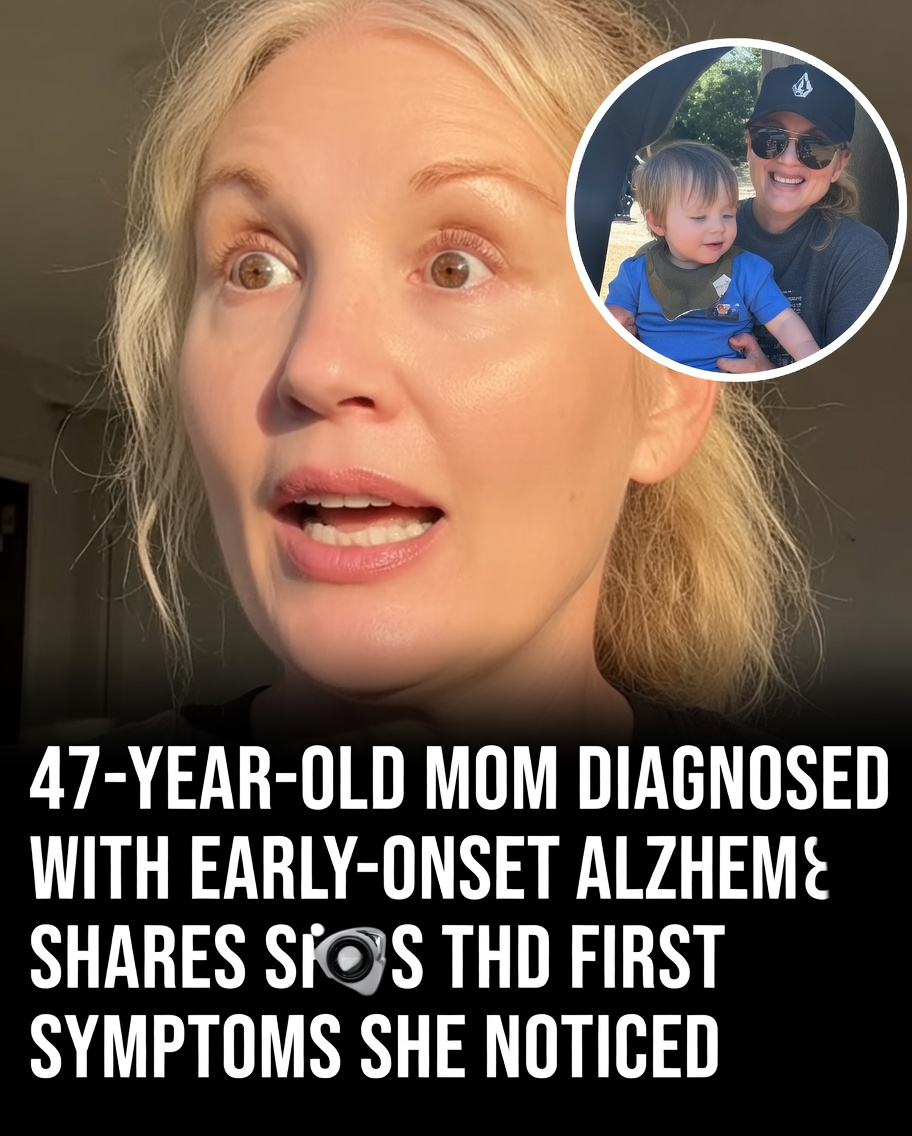
You sit at your kitchen table on an ordinary morning with your coffee growing cold when the story of a woman’s battle with early-onset Alzheimer’s fills your screen and you suddenly realize the small memory lapses you have been dismissing could be early warning signs the kind of moment that makes your stomach drop because in that single personal journey you picture your own family your grown children your precious grandchildren and the retirement savings you have worked your entire life to build so they would never have to face the same kind of devastating cognitive decline or the crushing long-term care costs that can quietly drain the very home equity and financial security you counted on for your golden years together.
The back-story is one that feels painfully familiar to any grandparent who has spent decades watching loved ones slowly slip away while quietly setting money aside for retirement so your children and grandchildren could have the stability and opportunities you fought so hard to create without ever imagining that one unnoticed memory slip could quietly turn into a life-altering diagnosis.
The emotional stakes rise quickly once you realize this is not just another Alzheimer’s story but a deeply personal wake-up call about early-onset memory loss that can strike people in their 40s 50s or 60s the kind of moment that makes you hold your retirement accounts a little tighter because you know how fast one overlooked sign can turn into years of specialized care medications and the kind of financial pressure that can quietly threaten the home equity and savings you have guarded so carefully for your grandchildren’s future.
The complication deepens when the woman shares how the early signs were subtle — misplacing keys forgetting familiar routes struggling with simple words — symptoms many people brush off as normal aging until it is too late the kind of practical insight that hits hard because it shows how easily we can miss the warning signals while you are focused on preserving the retirement savings you worked your entire life to build so your grandchildren would never have to carry the same kind of caregiving burden or watch a loved one fade away.
The turning point comes when you start thinking practically about what this journey could mean for your own family from having honest conversations with your adult children about watching for early signs to quietly reviewing your own emergency funds long-term care insurance and retirement accounts so that your home equity and savings are positioned to support the kind of care and dignity your family might one day need if early-onset memory loss ever touches your home.
The climax unfolds as the full story of her diagnosis and ongoing fight spreads and millions of readers suddenly pause to reflect on their own memory and the memory of their loved ones the kind of raw awakening that turns one woman’s journey into a broader conversation about awareness early detection and the responsibility we all share to protect the next generation from the kind of pain that can quietly threaten the financial and emotional legacy we have worked so hard to build.
In the immediate aftermath the emotional toll is visible as families across the country begin quietly paying closer attention to small memory changes many grandparents admitting they are now looking at their retirement accounts and home equity with fresh eyes because this powerful story of early-onset Alzheimer’s has reminded them how important it is to have the right safeguards in place so that your savings are not quietly drained by the kind of long-term care costs that can follow when warning signs are ignored for too long.
The experience has become a powerful reminder that sometimes the most devastating illnesses begin with the smallest unnoticed changes and that the courage to recognize them early can protect not only your health but also the retirement savings home equity and loving legacy you have worked your entire life to create for your children and grandchildren.
The quiet truth behind that one woman’s journey with early-onset memory loss lingers long after you finish reading and you begin to see how these kinds of personal stories often force us to re-examine our own daily habits in order to safeguard the future we want for our grandchildren in a world where one forgotten name or misplaced key can be the first silent warning.
As you think about the small memory changes you or your loved ones may have noticed and the retirement savings and home equity you have spent years protecting ask yourself this what one simple health step could you take today that might strengthen your retirement savings protect your home equity and show your grandchildren the true meaning of thoughtful vigilance before another early-onset warning sign changes everything?